


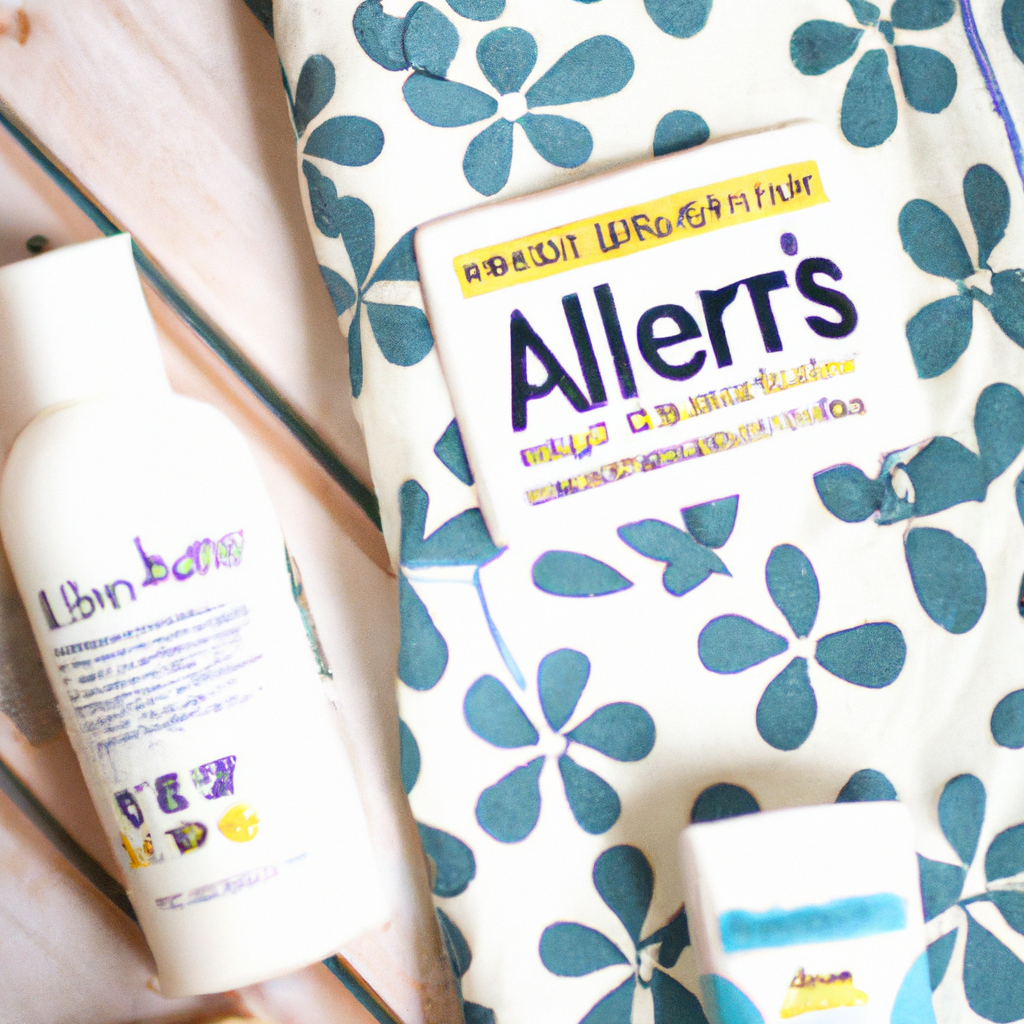
Do you know that, for many children, their skin is more delicate than the feathers of a baby bird? This is especially true for kids that suffer from chronic skin conditions like eczema and allergies. With the correct care and understanding, these issues can be managed, ensuring your child has healthy and happy skin. Learn more about skincare for kids with eczema and allergies in this article.
1. Helping Kids with Eczema and Allergies Find Relief through Skincare
Parents of children with eczema and allergies are constantly searching for new and better ways to provide relief for their kids. At times, this can leave them feeling overwhelmed and like they’re not doing enough. Fortunately, however, there is one area in which parents can make a major difference: skincare.
The right skincare routine can make all the difference in reducing skin inflammation and preventing allergic reactions. Here are some tips to get you started:
- Bathing: Short baths are best for kids with eczema and allergies. Once you’re done, make sure to leave some moisture on the skin and immediately apply an unscented moisturizer.
- Fragrance: Make sure all skincare products are unscented, or use a minimal amount of natural essential oils that won’t irritate the skin.
- Harsh Chemicals: Avoid using any products with a lot of alcohol, parabens, or synthetic fragrances.
In addition to these tips, it’s also important to use only products that are specifically designed for sensitive skin. Not all products are created the same, so make sure to read the labels and do some research on ingredients to ensure that you’re finding the right products for your child.
By following these guidelines, you can give your child the relief they need and help them find good skincare that will bring comfort to their skin.
2. How to Choose the Healthiest Products for Sensitive Skin
Sensitive skin can be tricky to navigate, and that’s why it’s important to take extra care when selecting the healthiest products for your skin. With that in mind, here are a few tips for healthier shopping:
- Know your skin type: Before you begin your search, it’s important to identify your skin type. This is the first step in selecting products that nourish and protect your skin without causing any irritation or inflammation.
- Choose gentler, natural ingredients: Many skincare products contain harsh chemicals that can strip and damage your skin. Look for products that are rich in natural ingredients, such as chamomile, green tea, and aloe vera. These ingredients can help reduce redness and swelling while hydrating and calming the skin.
- Read product labels: It’s important to understand what you’re putting on your skin, which is why it’s essential to read product labels. Look for key terms such as “hypoallergenic” and “fragrance-free” that indicate the product is formulated for sensitive skin.
Additionally, consider consulting a trusted doctor or dermatologist if you have any questions or concerns about the ingredients in your skincare products. This professional can help guide you to the best product choices for your individual needs.
By taking the time to understand your skin type and to read product labels carefully, you can easily find the healthiest products for your sensitive skin.
3. Putting Together an Eczema Skincare Regimen for Kids
Caring for your child’s eczema can be intimidating and overwhelming. It’s important to find the right regimen that works best for your little one’s skin and preferences. Here are a few tips for creating a skincare routine that can help soothe inflamed, itchy eczema:
- Figure out the product needs: Depending on your child’s eczema severity, you may need to use both prescribed medications or OTC treatments. If trying to eliminate triggers, it’s important to have the right cleansers, emollients and barrier creams on hand.
- Monitor their skin: Keep track of what works and what doesn’t. If your child’s skin is feeling more sensitive than usual, make sure to adjust the routine accordingly.
Moisturize: Skin that is hydrated and moisturized is less likely to flare up from dryness or irritation. Look for all-natural products that are formulated for sensitive skin and make sure to apply moisturizing emollients once or twice a day. This can help create a barrier for their skin and lock in moisture.
Bathing routine: Quick, lukewarm showers are ideal for kids with eczema. Use a gentle, hydrating cleanser that won’t strip away natural oils, and make sure to apply moisturizer afterwards. Taking baths in lukewarm or cool water with oatmeal-based products for a relaxing spa-like experience.
4. Understanding Allergic Reactions: Spotting Signs and Symptoms
A life-threatening allergic reaction occurs when the body’s immune system overreacts to a certain allergen, causing a series of uncomfortable, and in some cases, life-threatening symptoms.
Signs of a mild allergic reaction:
- Watery, itchy eyes
- Sneezing
- Runny nose
- Rash
- Itchy skin
These mild allergies rarely require medical attention, as the symptoms can usually be managed with over-the-counter medications. However, it is important to be aware of the signs, as this will help you identify the source and make it easier to avoid.
Signs of a severe allergic reaction:
- Shortness of breath
- Wheezing
- Hoarse voice
- Swollen tongue
- Tightness in the throat
- Hives
- Rapid heartbeat
- Lightheadedness
- Loss of consciousness
A severe allergic reaction will require immediate medical attention. Being able to recognize the signs early can help you get the necessary care quickly and reduce health risks. Always call 911 or seek medical attention as soon as you notice the signs of a severe allergic reaction.
5. Ensuring Kids with Eczema and Allergies Get the Care They Need
Children with eczema and allergies should be able to live their lives without feeling limited by their conditions. That’s why it’s important to make sure they’re getting the care they need—by creating an environment that’s both safe and comfortable for them.
The first step is to consult a pediatrician and allergist. Have a detailed 5.-year plan outlining the key methods and approaches to addressing the allergies and eczema. Pay special attention to the triggers that can bring about an allergic reaction, and how to care for flare-ups.
Here are some additional tips for providing care:
- Incorporate plenty of organic, high-fiber foods into your child’s diet.
- Provide lots of hydration throughout the day—it helps keep allergies at bay.
- Try to limit exposure to allergens.
- Find natural alternatives to fight itchiness and redness with.
- Encourage your child to participate in gentle physical activity.
In addition, managing or eliminating stress can help reduce discomfort and eczema symptoms. To bring down anxiety levels, practice relaxing activities such as meditation, yoga, or deep breathing. Reading stories or playing simple games can also be beneficial.
If your child struggles with eczema or allergies, don’tstress. With the right skincare routine and ingredients, they can live a comfortable life and enjoy soft and healthy skin. A careful balance of education and care can help them find the light at the end of the tunnel.